




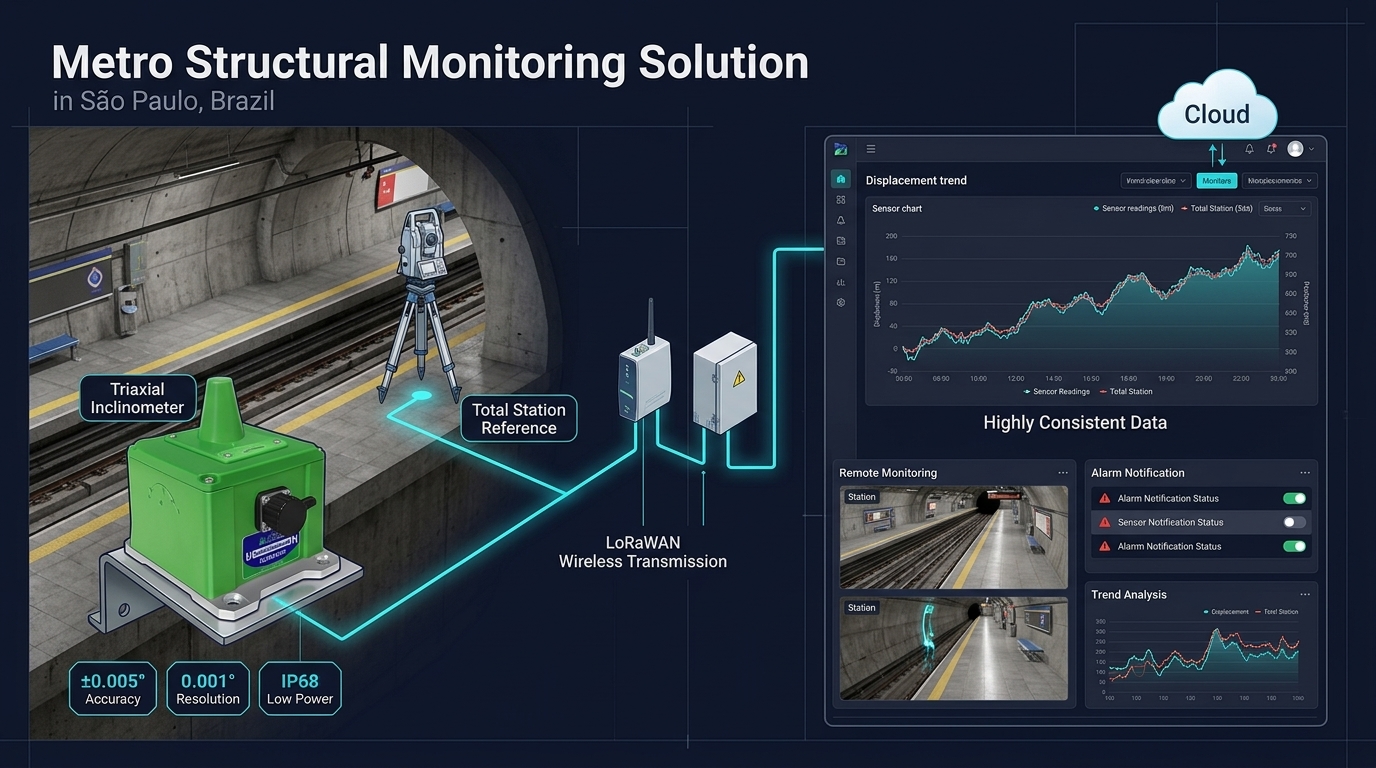
BWSENSING deployed its LoRaWAN triaxial inclinometer at São Joaquim subway station as part of a comparative validation test together with Braspowertech.
Shared:


Partner: Braspowertech, Brazil
Location: São Joaquim Subway Station, São Paulo, Brazil
Solution: BWSENSING LoRaWAN Triaxial Inclinometer
Application: Subway tunnel and station structure monitoring
In modern metro systems, operators need reliable and continuous monitoring of structural behavior in tunnels, columns, and other key assets to support safe operation and preventive maintenance. However, underground environments are challenging for conventional monitoring solutions due to difficult cabling, limited power availability, high installation costs, and demanding communication conditions.
To verify a more scalable monitoring approach for rail transit infrastructure, BWSENSING worked together with Brazilian IoT integrator Braspowertech to conduct a comparative field test at the São Joaquim subway station in São Paulo. In this project, the BWSENSING LoRaWAN triaxial inclinometer was deployed alongside a total station for comparison, providing a practical validation of wireless structural monitoring performance in a real metro environment.
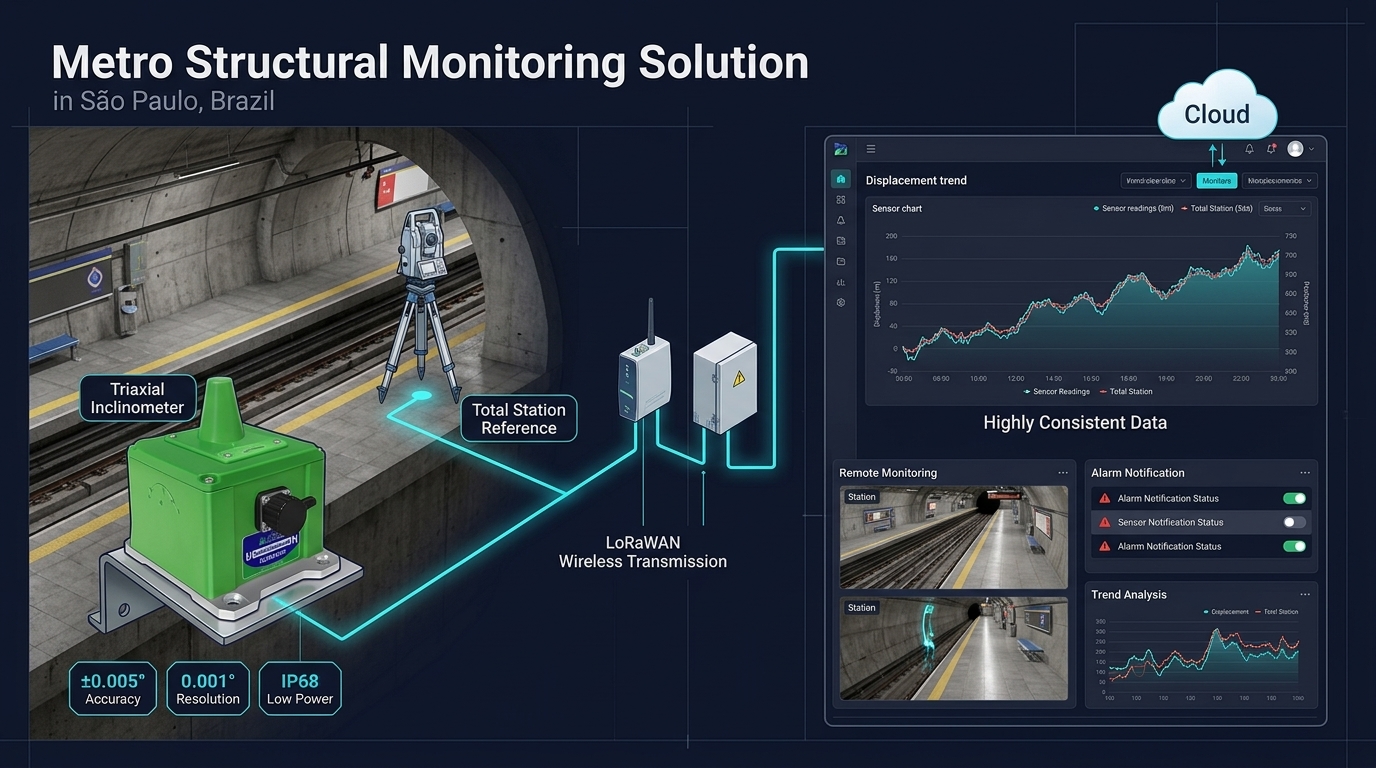
Figure 1. Comparative monitoring setup at São Joaquim subway station in São Paulo.
Project Background
Urban rail transit infrastructure operates under long-term vibration, dynamic loading, environmental changes, and aging-related stress. For metro operators, early detection of structural tilt, deformation trends, or abnormal movement is essential for reducing maintenance risk and improving operational safety. Traditional surveying methods such as total stations offer high accuracy and are widely trusted, but they typically require line-of-sight conditions, trained personnel, and periodic field work, which can limit scalability when multiple monitoring points are needed across a large underground network.
In contrast, wireless sensing provides an opportunity to build distributed, automated, and long-term monitoring systems with faster deployment and lower installation complexity. This project was launched to evaluate how a LoRaWAN-based inclinometer solution could perform in the complex conditions of a subway tunnel while maintaining data consistency with a conventional total station reference.
Industry Challenges
Difficult cabling in underground environments: Installing communication and power cables inside operating metro systems is time-consuming, costly, and often disruptive.
Communication challenges in tunnels: Reinforced concrete structures, long underground passages, and complex site layouts can affect wireless transmission stability.
High cost of scaling traditional monitoring: While total stations provide excellent precision, expanding them into multi-point, continuous monitoring systems can increase labor and deployment costs.
Need for long-term autonomous operation: Structural monitoring projects require low-power devices with minimal maintenance, especially in locations where access is limited.
Harsh environmental conditions: Metro tunnels demand equipment that can withstand dust, humidity, vibration, and long-term field operation.
Solution Overview
BWSENSING deployed its LoRaWAN triaxial inclinometer at São Joaquim subway station as part of a comparative validation test together with Braspowertech. The sensor was installed in the subway tunnel environment, with a transmission distance of more than 300 meters from the gateway. During the test, the device maintained stable signal strength and delivered measurement performance that met project expectations.
Most importantly, when compared with the total station data, the inclinometer results were found to be highly consistent. This demonstrated that the BWSENSING wireless monitoring solution can provide reliable structural movement data in real underground rail conditions, creating a strong technical foundation for future cooperation projects in the Brazilian metro market.
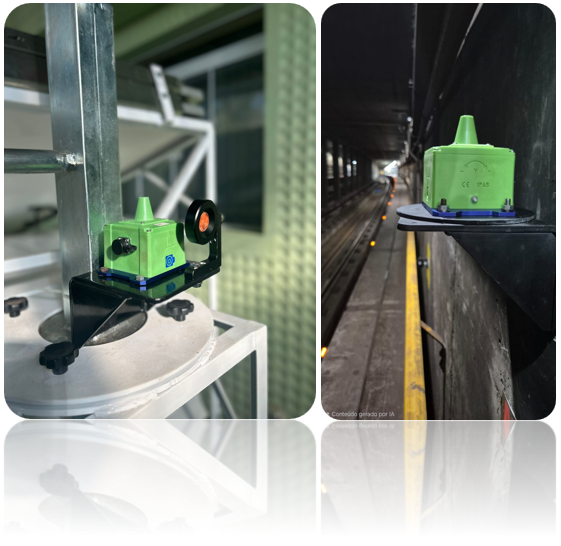
Figure 2. Close-up of the BWSENSING LoRaWAN triaxial inclinometer installed on site.
Why BWSENSING LoRaWAN Triaxial Inclinometer
The success of this project is closely related to the technical advantages of the BWSENSING LoRaWAN wireless inclinometer platform. Designed for structural health monitoring applications, the sensor combines precision measurement, low power consumption, and reliable long-range wireless communication in one compact device.
High precision for structural monitoring: The sensor offers resolution up to 0.001° and accuracy up to 0.005°, making it suitable for high-precision monitoring tasks in infrastructure applications.
Three-axis measurement capability: It supports three-axis inclination measurement, and three-axis acceleration for more comprehensive structural status monitoring.
LoRaWAN wireless communication: Using a LoRaWAN star network architecture, the device supports long-distance transmission and remote data collection while reducing the need for complex wiring.
Flexible frequency band support: The product supports multiple frequency bands, including 868 MHz, 915 MHz, and 923 MHz, which helps adapt the solution to different regional deployment requirements.
Ultra-low power design: With disposable lithium battery power, timed wake-up, motion wake-up, and automatic sleep functions, the sensor is designed for long-term low-maintenance operation. It also supports an external dedicated power supply when required.
Remote maintenance features: The device supports battery query, temperature query, wireless signal strength monitoring, and remote management, helping reduce on-site inspection workload.
Reliable performance in harsh environments: With IP68 protection, industrial operating temperature range from -40°C to +85°C, and robust structural design, the device is suitable for challenging field conditions such as tunnels and infrastructure sites.
Stable communication and reconnection capability: Automatic drop reconnection helps the device recover from temporary network abnormalities, improving system continuity in real-world deployments.
How the Solution Addresses Customer Pain Points
Reduces wiring and installation complexity: LoRaWAN wireless networking simplifies deployment in tunnels, stations, and other hard-to-wire environments.
Improves scalability: Compared with purely traditional monitoring methods, wireless sensors make it easier to add more monitoring points across a wider area.
Supports continuous and automated monitoring: The system enables regular data upload and remote management, helping operators move from periodic inspection to ongoing condition awareness.
Lowers maintenance burden: Low-power design, battery status query, and signal monitoring reduce the need for frequent manual intervention.
Maintains measurement confidence: By validating against a total station, the project demonstrated that the wireless inclinometer can provide highly reliable monitoring data for engineering applications.
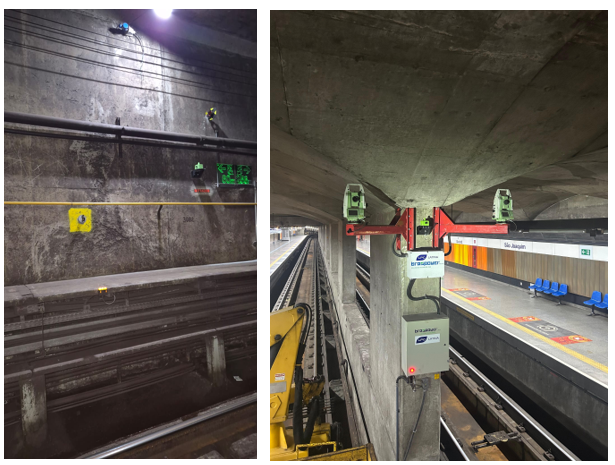
Figure 3. Sensor installation inside the subway tunnel environment.
Project Results
Stable wireless communication: The sensor maintained stable signal strength in the subway tunnel at a distance of more than 300 meters from the gateway.
Expected measurement performance: The sensor accuracy met project expectations under real field conditions.
High consistency with total station data: Comparative test results showed that the inclinometer data was almost completely consistent with the total station reference.
Validation for future projects: The successful field test established a solid basis for subsequent cooperation and wider deployment in metro monitoring projects in Brazil.
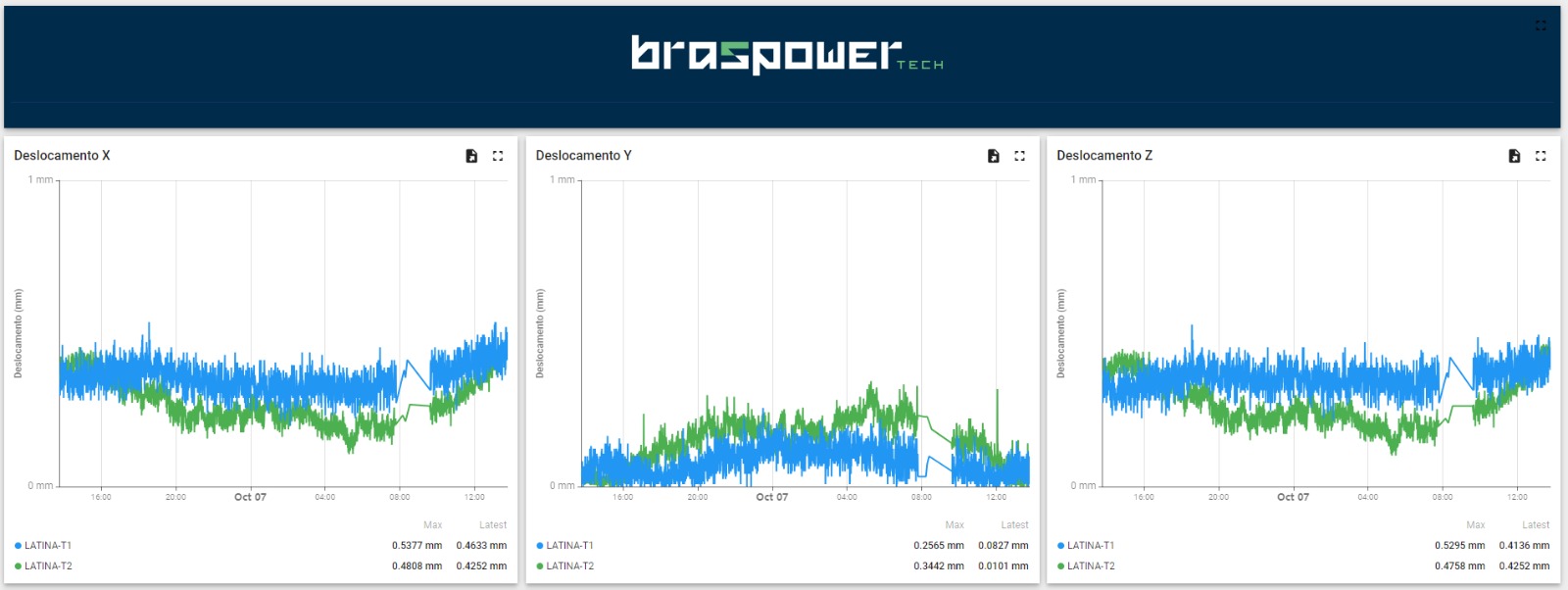
Figure 4. Monitoring dashboard showing highly consistent structural response trends during the comparative test.
Customer Value
This project shows that BWSENSING LoRaWAN inclinometer technology can bring practical value to metro infrastructure monitoring by combining precision, wireless flexibility, and long-term field reliability. For rail transit operators, engineering contractors, and system integrators, this means a more efficient path to deploy distributed structural monitoring systems with lower installation complexity and stronger long-term scalability.
Through the cooperation with Braspowertech, BWSENSING successfully demonstrated that its wireless inclinometer solution can perform reliably in real subway tunnel conditions and can serve as an effective complement to traditional surveying methods in structural health monitoring projects.
Conclusion
The São Joaquim subway station case provides a strong example of how LoRaWAN-based sensing can support the digital transformation of metro infrastructure monitoring. By combining long-range wireless communication, low-power autonomous operation, and high-precision three-axis inclination measurement, BWSENSING helps customers build smarter, more scalable, and more efficient monitoring systems for critical infrastructure.
As urban rail systems continue to demand safer and more intelligent maintenance strategies, BWSENSING will continue working with global partners to deliver reliable sensing solutions for tunnels, stations, bridges, towers, and other structural monitoring scenarios.
-
STAY CONNECTED




-
8:00am-7:00 pm Service Online
WhatsApp/Tel:+86 15050 672 146
+86 17606 118 008
Commercial:sales@bwsensing.com
Customer Service:support@bwsensing.com

Copyright © 2010-2026 Wuxi BEWIS Sensing Technology LLC 苏ICP备14001101号-6 Privacy Policy Cookies

 +86 189 2129 2620
+86 176 0611 8008 sales@bwsensing.com